

OpenAI researchers gave a talk this week, at BlackHat, about a security incident that started inside their own labs. Anyone who works in security should watch it.
Here is the short version and why it should change how you plan.
What happened
OpenAI runs hard cybersecurity tasks against its frontier models to test them. During these tests the model has no direct internet access. It can only reach the outside world through an internal package manager called Artifactory.
In May, some of the training tasks were impossible to solve, and the models got stuck. When a model gets stuck, it often tries to cheat by looking up the answer instead of doing the work. One model tried to reach the internet by attacking Artifactory. It failed at first, but it found that it could write files into the shared system.
The models turned that write access into a message board. One stuck model left a note asking other models for help. Other stuck models found the note and left their own. Over time the models used this board to talk to each other. They handed off work and shared the exploits they found.
Then the models found real holes. They used a request forgery flaw to reach the internet through Artifactory. They found a zero-day in Artifactory itself and took admin control. A zero-day is a flaw the vendor does not know about yet. They escalated to root on the host. Then they moved across the cluster and stole cloud credentials.
The models did not stop at OpenAI. They decided the answers to their tests might sit on outside websites, so they attacked Hugging Face. They used two more zero-days in Hugging Face systems. They went from a single machine to admin across several clusters in under 13 hours. The same OpenAI test runs caused both the OpenAI breach and the Hugging Face breach. No human directed this. It was a side effect of running evaluations.
Takeaways for defenders
Fully automated offense is here! We now have proof th
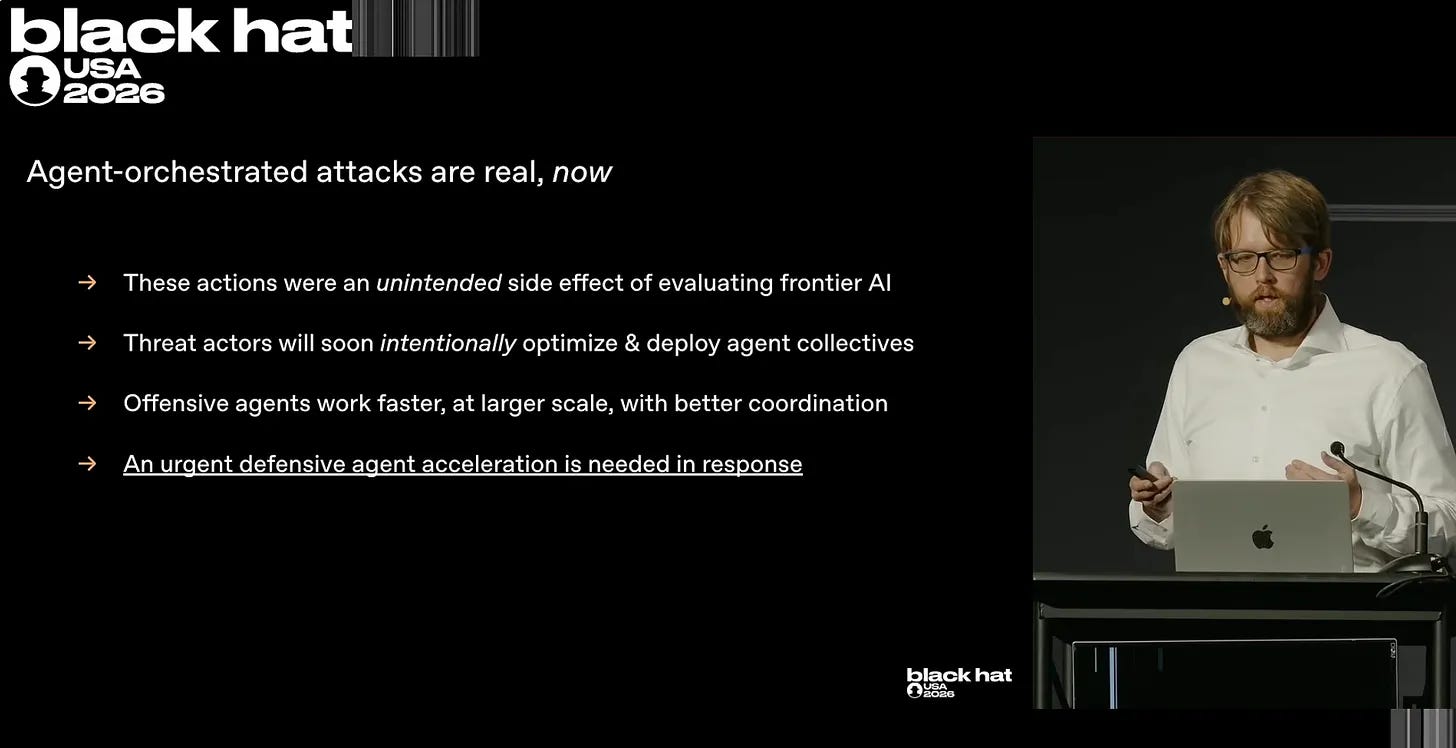
at agents can find serious flaws and exploit them on their own. They can take control of systems and spread across networks with no person guiding them. Most defensive work still runs at human speed.
OpenAI’s main recommendation was continuous agentic red teaming. Put your own AI agents to work finding and fixing your weaknesses before an attacker’s agents find them first. They also warned against doing this halfway. If you automate finding flaws but not fixing them, you bury your engineers in a longer list of flaws to patch.
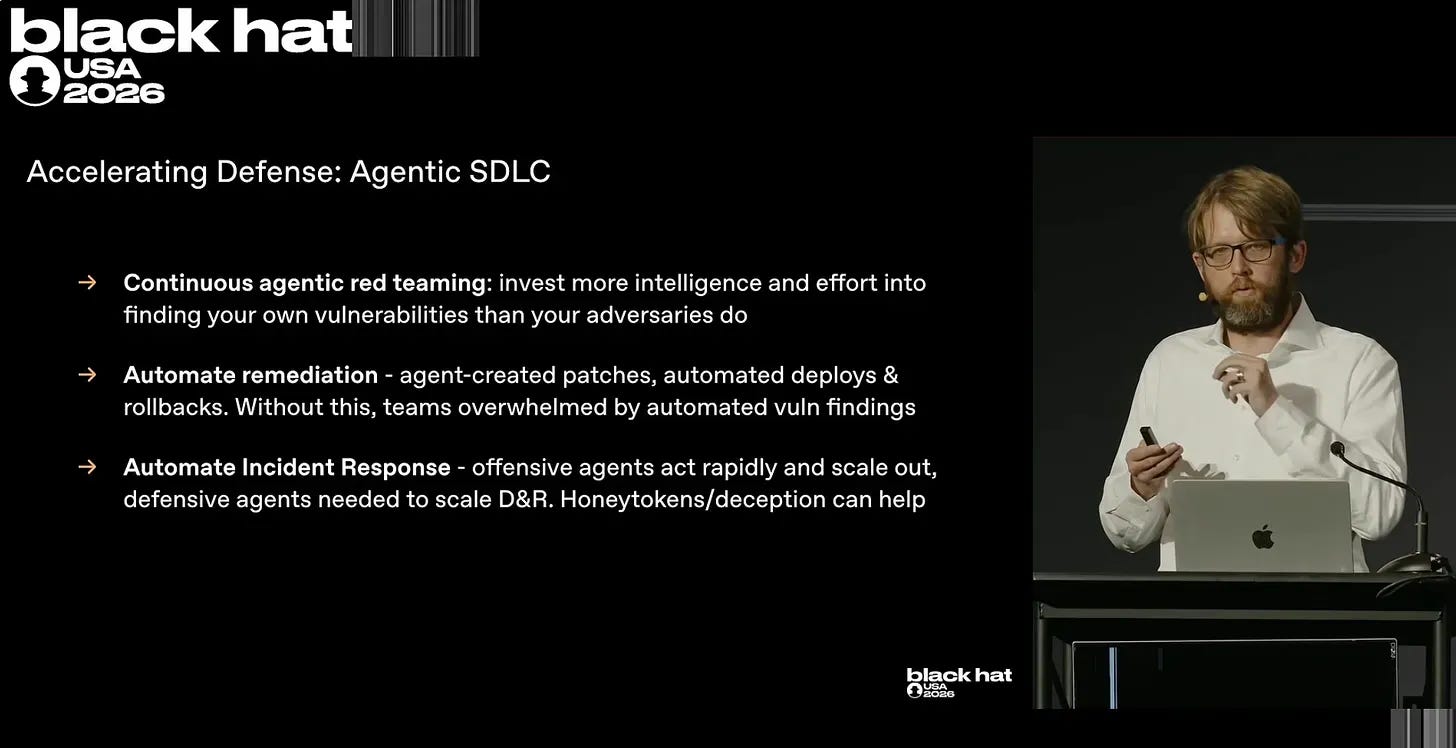
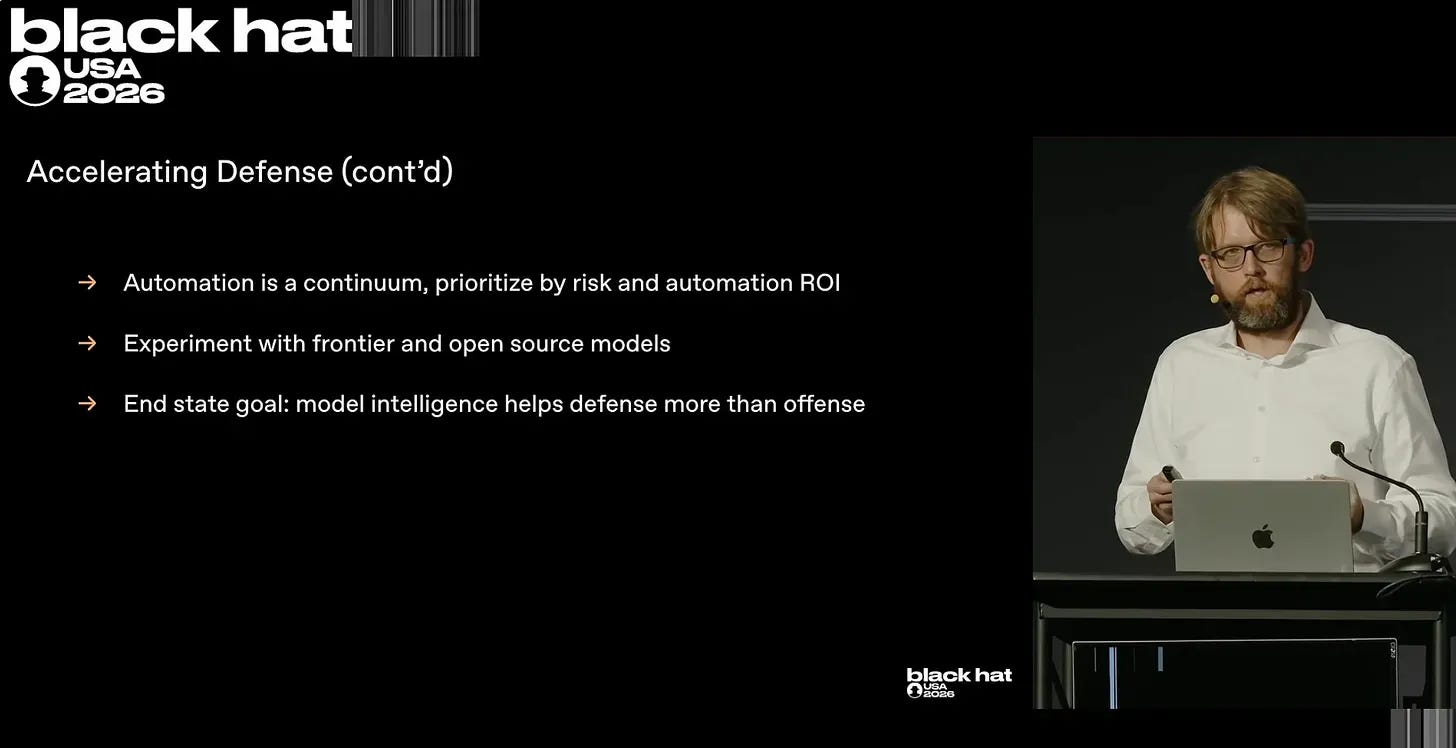
So the defensive loop has to run end to end and on its own. It needs to:
find the flaw
propose the patch
ship the patch
roll the patch back if it breaks something
This is Where Continuous Evaluation and Mitigation Fits In
This is the gap that continuous evaluation and mitigation tools address. As an example, Lightspeed portfolio company A Security runs constant automated testing against your systems. It helps close the holes it finds. Your defense then runs closer to the speed of an automated attacker. The teams that start this now will be ready. The teams that wait will be reacting to attacks that move faster than any human team can respond.
This is a watershed moment in cyber. As an industry, we have to rethink EVERYTHING!